Self-hosting moved from a hobby to a movement because the cloud got expensive and the hardware got cheap. Over 3.6 million people now run at least one internet-facing service from home, up 41% since 2023 (Self-Hosting Census, 2026). Subscriptions keep climbing, license changes keep landing, and a capable server now costs less than a weekend dinner.
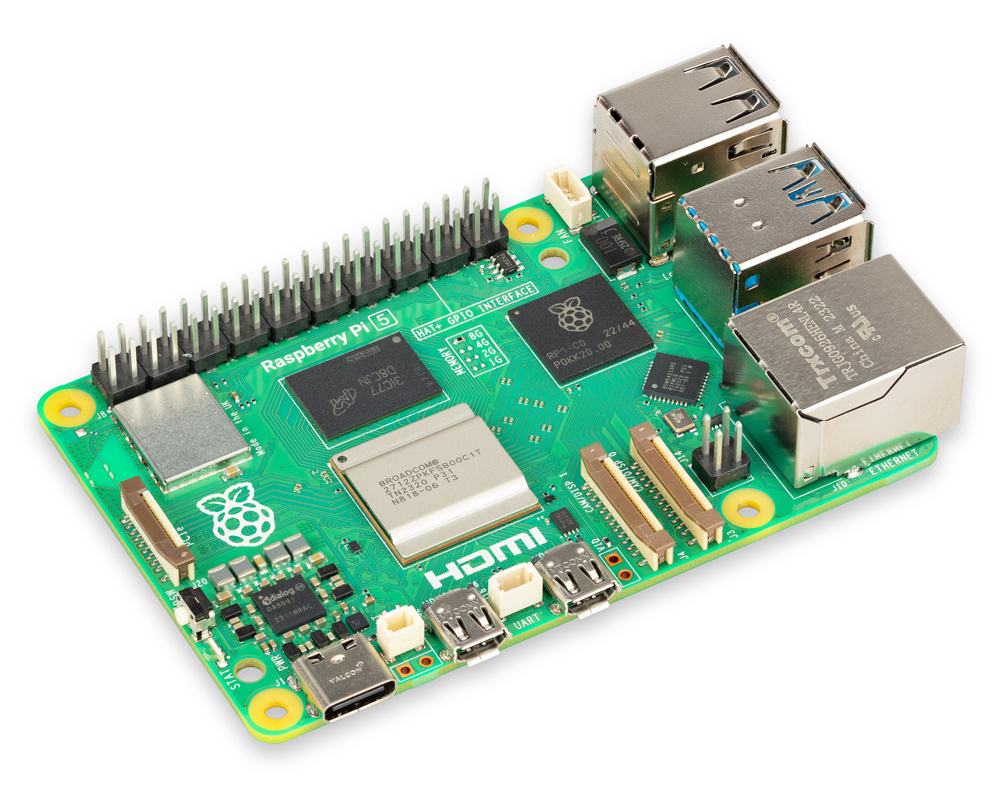
This is not the compiling-from-source homelab of a decade ago. Docker Compose turned deployment into one command, and an $80 Raspberry Pi can run a dozen services quietly. When I tested an Immich photo server and a Pi-hole on a single Pi 4 last month, setup took an afternoon and the box drew under 7 watts. The barrier that once kept self-hosting nerdy has mostly collapsed.
Why did self-hosting get popular again in 2026?
The biggest trigger is the slow climb of cloud pricing. Google Drive's 2TB plan hit $120 a year, up from $99 in 2023, and stacked subscriptions quickly reach four figures (Dockerspot, 2026). One XDA writer tallied his canceled services at almost $1,100 a year, replaced by a single power-efficient mini PC (XDA, 2026).
License changes lit the same fuse. The HashiCorp BSL shift routed users to the OpenTofu fork, and Redis's license move spawned Valkey (OSSAlt, 2026). Each price increase or license change sends a wave toward self-hosted alternatives, and by 2026 those alternatives are polished enough to hold them.
Community growth backs this up. Reddit's r/selfhosted crossed 500,000 subscribers, up from 100,000 in 2020 (OSSAlt, 2026). Docker Hub monthly pulls jumped from 8 billion to over 20 billion in the same window. The self-hosting market itself is projected to climb from $15.6 billion in 2024 to $85.2 billion by 2034 (Elestio, 2026). CISPA research estimates that about 8.5% of the U.S. population already self-hosts at least one internet-facing service (DreamHost, 2026). These are not hobby numbers anymore.
What are self-hosters actually running?
The community has converged on a short, repeatable stack. The 2026 State of Self-Hosting report ranked 315 apps across 93 categories and found media servers on top: Jellyfin led the ecosystem, with Caddy and Traefik for reverse proxies and Portainer for Docker management near the top (selfhosting.sh, 2026). Jellyfin's rise is blunt, because it absorbed the Plex refugees.
- Jellyfin — open-source media server, the ecosystem leader
- Immich — photo and video backup that replaced Google Photos
- Nextcloud — file sync and a G Suite alternative
- Pi-hole — network-wide ad and tracker blocking
- Vaultwarden — your own Bitwarden-compatible password vault
- Ollama and LM Studio — running local LLMs that send nothing to the cloud
PostgreSQL backs nearly one in three self-hosted apps, 90 out of 315, making it the dominant database in the ecosystem (selfhosting.sh, 2026). The combination of PostgreSQL plus Redis is the most common stack pattern, used by apps from Immich to Outline to n8n. If you are learning one database for self-hosting, learn Postgres.
Is self-hosting AI a realistic new addition?
Running your own models is the fastest-growing and most resource-hungry slice of the movement. Six of the twelve heaviest self-hosted apps are AI and machine learning tools, needing 4 to 16 GB of RAM (selfhosting.sh, 2026). Tools like Ollama and Open WebUI lowered the floor so enthusiasts with a modern GPU can chat with a local model.
The honest trade-off is hardware. A 7 to 8 billion-parameter model fits in a decent desktop GPU, but 120-billion-class models demand 80-plus GB of VRAM, which means thousands of dollars (DreamHost, 2026). For most people, local AI is a frontier they grow into, not the first box they buy.
The practical starting point is modest. A 7B model on 8GB of VRAM handles summarization, code assistance, and casual chat. Apple Silicon machines with 24GB of unified memory run these models comfortably without a discrete GPU. The awesome-selfhosted list on GitHub now catalogs hundreds of ready-to-deploy applications, and community guides cover nearly every common GPU setup. If you already own a recent MacBook Pro, you have the hardware. The question is whether local latency and privacy matter more to you than cloud convenience.
How much can you actually save by self-hosting?
The numbers are genuinely large for committed users. An individual can save $7,700 to $9,200 a year by replacing cloud subscriptions with self-hosted alternatives, and a 10-person team can save $76,500 to $118,500 a year (selfhosting.sh, 2026; Dockerspot, 2026). The average self-hoster spends about $412 a year afterward, mostly on electricity and drives (DreamHost, 2026).
| Service | Self-Hosted (Year 1) | SaaS (Year 1) |
|---|---|---|
| Immich (photos) | ~ $180 Pi 5 + power | $120 (Google Drive 2TB) |
| Jellyfin (media) | ~ $370 NUC + drive | $60+ (subscriptions) |
| Vaultwarden (passwords) | ~ $100 VPS + domain | $36+ (1Password) |
| Nextcloud (files) | ~ $120 2TB storage | $120 (Dropbox) |
But the savings are deferred, not instant. In year one, self-hosting often costs more, and most setups reach break-even only around 12 to 18 months (Elestio, 2026). The sticker shock of the first NAS drive is real, so the community advice is to start with one service, photos or media, and grow from there.
Docker has become the default deployment method of the ecosystem. Six of ten app guides now ship complete Docker Compose configurations instead of manual install steps (selfhosting.sh, 2026). The 2026 community survey found near-90% Docker adoption among self-hosters (Elestio, 2026). Newer PaaS tools like Coolify, Dokku, and CapRover let you deploy 100-plus tools with a web UI and automatic SSL in under 15 minutes (OSSAlt, 2026). The self-hosting stack in 2026 looks less like sysadmin work and more like clicking buttons in a browser.
The renaissance is real. It just turns out the renaissance has a chores list, and your name is on it.
— Theo Okafor
What are the real downsides to self-hosting?
The biggest risks are reliability, time, and data loss. The 3-2-1 rule still applies, and 42% of self-hosters report losing data, usually by skipping offsite backups or running outdated, unpatched apps (Dockerspot, 2026). Maintenance averages about 7.2 hours a month after the initial setup (DreamHost, 2026).
The most common failure is skipping the offsite copy. A backup to something like Backblaze B2 or a second box at a relative's house is not optional in 2026. Email is the one workload the community still says to leave hosted. Everything else, photos, passwords, media, files, is fair game.
Security is the hidden cost people underestimate. Running services on your home network means your residential IP is public, your ISP router probably has default credentials, and IoT devices sit alongside critical infrastructure. Professional hosting providers have dedicated security teams and DDoS protection. Your homelab has you and your free time (DreamHost, 2026).
Which hardware should you buy first?
The community recommendation is to match hardware to workload, not the other way around. A Raspberry Pi 4 with 4GB of RAM handles one to five lightweight apps like Pi-hole and Vaultwarden for under $80. An Intel N100 mini PC with 16GB of RAM, around $120 to $180, runs 5 to 15 mixed apps including Nextcloud and Jellyfin comfortably (selfhosting.sh, 2026).
| Workload | Recommended Hardware | Monthly Cost |
|---|---|---|
| 1-5 lightweight apps | Raspberry Pi 4 (4GB) or $5/mo VPS | $0-5 |
| 5-15 mixed apps | Mini PC (N100, 16GB RAM) or $15/mo VPS | $5-15 |
| 15-30 apps incl. heavy | Used Dell Micro (32GB) or $30/mo VPS | $10-30 |
| AI/ML workloads | Desktop with GPU (RTX 3060+, 32GB) | $15-40 (electricity) |
Sixty percent of self-hosted apps run on less than 256 MB of RAM, so the majority of the ecosystem fits on minimal hardware (selfhosting.sh, 2026). Start with one service you actually use, prove the workflow works, and expand from there. The hybrid approach works best: run private services at home, put anything internet-facing on a cheap VPS.
Is self-hosting worth the effort in 2026?
For most technical users, yes, as a hybrid. Self-host the pieces with the strongest privacy and cost arguments, photos, passwords, media, home automation and local AI, and keep the high-friction items hosted. The economics hold past 12 to 18 months, and data stays on hardware you control instead of hardware a vendor can reprice yearly.
Enterprises are driving the same shift for sovereignty and compliance, with the market projected to climb from $15.6 billion in 2024 to $85.2 billion by 2034 (Elestio, 2026). That is no longer hobby money. If you are on the fence, start with Immich or n8n, and live with it a month before canceling anything.
Sources and further reading
- State of Self-Hosting 2026 — selfhosting.sh
- Why Self-Hosting Is Having a Renaissance — OSSAlt
- Self-Hosting in 2026: the market and the costs — DreamHost
- Running open source AI on your own stack
- Why digital minimalism is trending
- Small language models are the future
- Subscription costs are spiraling — here is the math
- PostgreSQL 19 brings graph queries
Bottom line
Enterprises are driving the same shift for sovereignty and compliance, with the market projected to climb from $15.6 billion in 2024 to $85.2 billion by 2034 (Elestio, 2026). That is no longer hobby money. If you are on the fence, start with Immich or n8n, and live with it a month before canceling anything.
What we still don't know
This is a fast-moving story. We update the post as new facts land — and we'll flag it when we do.
Enjoyed this? Pay it forward
A sharp story is worth passing on. Share it with the people who read tech like it matters.